



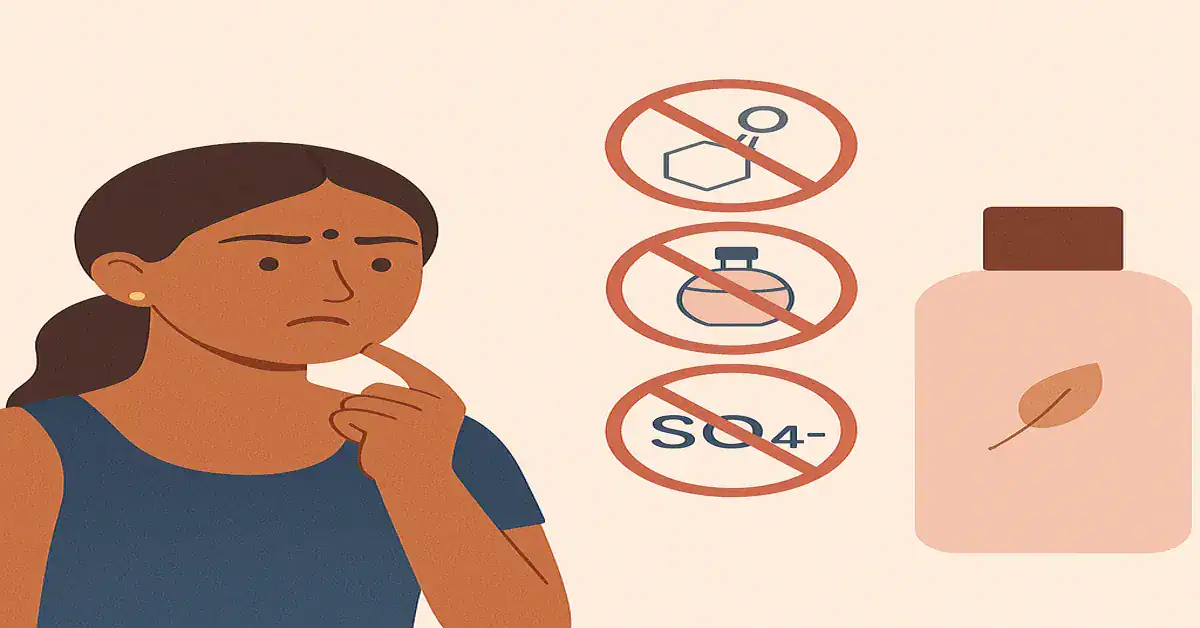

When it comes to skincare and cosmetics, choosing the right products is more than just about beauty—it’s about health. Many everyday items on store shelves contain hidden chemicals that can irritate the skin, disrupt hormone function, or even pose long-term health risks. By learning which beauty product ingredients to avoid, you can make smarter, safer choices for your skin and overall well-being.
Why Ingredient Awareness Matters
The beauty industry is filled with marketing buzzwords like “natural,” “clean,” or “organic.” But labels don’t always tell the full story. Harmful chemicals can hide under scientific names, or worse, under vague umbrella terms like “fragrance.”
Being aware of toxic ingredients in beauty products helps you:
- Reduce skin irritation and allergic reactions.
- Lower exposure to hormone-disrupting chemicals.
- Protect long-term health and the environment.
- Avoid falling into greenwashing traps.
Beauty Product Ingredients to Avoid
Here’s a list of the most common harmful beauty ingredients to watch out for and why they may be unsafe.
1. Parabens
- Why avoid them: Parabens (methylparaben, propylparaben, butylparaben) are preservatives linked to hormone disruption.
- Where found: Lotions, shampoos, foundations.
- Risk: May mimic estrogen, raising concerns about breast cancer.
2. Sulfates (SLS, SLES)
- Why avoid them: These harsh foaming agents strip natural oils, leaving skin and hair dry.
- Where found: Shampoos, cleansers, body washes.
- Risk: Skin irritation, scalp dryness, worsening eczema.
3. Phthalates
- Why avoid them: Used to make fragrances last longer, phthalates are linked to hormone disruption and fertility issues.
- Where found: Perfumes, nail polishes, hair sprays.
- Risk: Endocrine disruption, reproductive health concerns.
4. Formaldehyde & Formaldehyde Releasers
- Why avoid them: Carcinogenic preservative banned in some countries but still found in beauty products.
- Where found: Nail polish, hair straightening treatments.
- Risk: Cancer, allergic reactions, skin sensitivity.
5. Synthetic Fragrances (Parfum)
- Why avoid them: A single “fragrance” label can contain dozens of hidden chemicals.
- Where found: Perfumes, lotions, deodorants.
- Risk: Allergies, headaches, respiratory irritation.
6. Mineral Oil / Petroleum-derived Oils
- Why avoid them: While they lock in moisture, they can also clog pores and trap toxins.
- Where found: Lip balms, moisturizers, baby oils.
- Risk: Breakouts, skin barrier issues, environmental concerns.
How to Read Beauty Product Labels
One of the biggest challenges is recognizing these ingredients because they often appear under different names. Here’s how to spot them:
- Look for suffixes: “-paraben” indicates parabens.
- Watch out for “fragrance” or “parfum”—these terms often hide phthalates.
- Check for SLS or SLES in cleansers.
- Use ingredient-check apps like Think Dirty or EWG’s Skin Deep database for quick verification.
Safer Alternatives to Harmful Ingredients
Instead of only focusing on what to avoid, here’s what to look for in your skincare and makeup:
- Preservatives: Opt for natural ones like sodium benzoate or potassium sorbate.
- Cleansers: Use plant-based surfactants like cocamidopropyl betaine.
- Moisturizers: Look for shea butter, jojoba oil, almond oil instead of mineral oil.
- Fragrance-free products: Or those scented with essential oils (used moderately).
- Certifications to trust: EWG Verified, USDA Organic, Ecocert.
FAQs on Beauty Product Ingredients to Avoid
Parabens can mimic estrogen in the body and have been linked to hormonal imbalance and possible cancer risks.
Not always. They’re harsher on sensitive and dry skin, but even oily skin can experience dryness with long-term use.
They are rarely listed directly. Look for “fragrance” or “parfum” on the label—unless the brand specifically states “phthalate-free.”
Q4:
Not all, but many are undisclosed chemical mixtures. For sensitive skin, fragrance-free products are the best choice.
Trusted ones include EWG Verified, USDA Organic, and Ecocert, which require strict ingredient safety standards.
Final Thoughts
Choosing safer skincare doesn’t mean you have to overhaul your entire beauty routine at once. Start small—replace one product at a time with cleaner, safer alternatives. By learning about beauty product ingredients to avoid, you’re making empowered decisions that benefit not only your skin but also your long-term health.
Popular Search Term:
चेहरे पर चमक|पिंपल्स हटाने|मुहांसों से छुटकारा |गोरी त्वचा|बेदाग त्वचा |चेहरे की चमक |शादी से 2 दिन पहले पिंपल | फेस पैक |मेहंदी ग्लो फेस पैक | सफेद तिल का तेल vs काला तिल का तेल |हल्दी और बेसन का फेस पैक |Best Face Wash in India | Best Face Scrub in India| Best Face Toner in India| फेस जेल फायदे | पिंपल्स के लिए सबसे अच्छा फेस वाश|