



With increasing awareness of harmful chemicals in skincare and personal care items, the demand for natural and organic beauty products has exploded. Yet, the terms are often used interchangeably, leading to confusion among consumers. Understanding the core differences empowers you to make informed, healthier, and more sustainable beauty choices. Let’s dive in.
What “Natural” Really Means
“Natural” typically refers to products derived from plants, minerals, or other naturally occurring substances. However, in the beauty world, this label isn’t tightly regulated. A brand can call a product “natural” even if it contains a high percentage of synthetic ingredients, provided it includes at least one natural component.
Always check:
- Ingredient origin
- Level of processing
- Presence of additives or preservatives
What Are Organic Beauty Products?
Organic products are a step above. They are made with ingredients grown without pesticides, genetically modified organisms (GMOs), or synthetic fertilizers. Organic status is typically certified by a third party, making it more trustworthy.
Organic beauty products:
- Must meet farming and manufacturing standards
- Tend to avoid synthetic additives altogether
- Are subject to stricter scrutiny than “natural” labels
Natural vs. Organic Beauty Products
Let’s break it down:
| Feature | Natural | Organic |
| Source | Plant/mineral-based | Organically farmed plants |
| Regulation | Loosely regulated | Strictly certified |
| Processing | May involve chemicals | Minimal, eco-safe processing |
| Purity | Not guaranteed | High purity standards |
Both can be beneficial—but organic is generally cleaner and more controlled.
Common Misconceptions
- “Natural means safe.” Not always—some natural ingredients can be allergens.
- “Organic is 100% chemical-free.” Not entirely true—some preservatives are permitted in small amounts.
- “All products labeled organic are equal.” Certification levels vary: “Made with organic ingredients” ≠ “100% organic.”
Understanding Labels
Ingredient lists can be deceiving. Focus on:
- INCI names (International Nomenclature of Cosmetic Ingredients)
- Ingredient order (listed from highest to lowest quantity)
- “Fragrance” as a red flag—it often masks dozens of synthetic chemicals
Why Certifications Matter
Certification is your best friend. It holds brands accountable and gives you peace of mind that what you’re using meets certain safety and ethical standards.
Top Certifications to Look For
- USDA Organic – For U.S.-based organic farming and processing
- COSMOS Organic – European standard for both natural and organic
- Ecocert – Common in France and Europe
- EWG Verified – Measures safety and transparency
Greenwashing Explained
Greenwashing is when brands falsely market products as eco-friendly or “clean” without truly being so. Avoid falling for it by:
- Ignoring vague buzzwords like “pure” or “eco”
- Scrutinizing ingredient lists
- Looking for certification seals
The Rise of Clean Beauty
Clean beauty aims to avoid harmful chemicals, regardless of whether ingredients are natural or synthetic. It overlaps with natural/organic but is focused more on safety than source.
Benefits of Natural Ingredients
- Gentle on sensitive skin
- Biodegradable and environmentally safe
- Packed with antioxidants, vitamins, and essential oils
Examples:
- Chamomile soothes
- Tea tree oil fights acne
- Coconut oil moisturizes
Organic Farming and Its Impact
Organic farming avoids toxic pesticides and encourages biodiversity. By choosing organic skincare, you’re not only treating your skin better but also reducing the environmental burden.
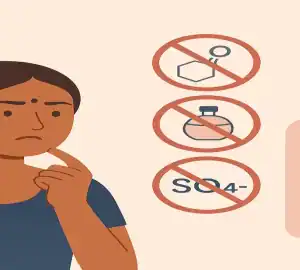
Toxic Ingredients to Avoid
- Parabens – Linked to hormonal disruption
- Sulfates – Strip skin of natural oils
- Formaldehyde – A known carcinogen
- Artificial Fragrances – Can trigger allergies
Safe Ingredients That Are Effective
- Aloe Vera
- Shea Butter
- Witch Hazel
- Vitamin C (naturally derived)
They deliver results without side effects.
How Natural Products Are Made
These are typically handcrafted or minimally processed using cold-pressing, fermentation, or steam distillation—methods that preserve nutrient integrity.
Case Studies: Popular Brands
- True Botanicals – Science-backed and certified organic
- Dr. Hauschka – Biodynamic and holistic approach
- Juice Beauty – USDA-certified and effective
DIY Alternatives
- Face Mask: Oatmeal + honey
- Lip Scrub: Sugar + coconut oil
- Toner: Green tea + apple cider vinegar
Safe, cheap, and effective.
Best Skin Types for Natural Products
- Sensitive: Calendula, aloe
- Dry: Avocado oil, shea butter
- Oily: Clay, witch hazel
- Acne-prone: Tea tree, salicylic acid (plant-derived)
What to Expect During Transition
Some users experience “skin purging” or slight breakouts when switching. This is temporary. Stick with it and your skin will adjust.
Budget vs. Luxury Options
Affordable:
- Acure
- Burt’s Bees
Luxury:
- Tata Harper
- Kypris
Cruelty-Free and Vegan Explained
Cruelty-free = not tested on animals.
Vegan = no animal-derived ingredients.
Many natural and organic products meet both criteria.
Packaging Matters
Look for recyclable, compostable, or refillable options. Brands like Ethique and Meow Meow Tweet lead the way in sustainable packaging.
Kids and Babies
Go ultra-mild:
- Earth Mama
- California Baby
- Weleda Baby
No synthetic fragrance, no dyes, no parabens.
Men’s Grooming
Natural grooming for men is on the rise:
- Ursa Major
- Brickell Men’s Products
Simple, no-fuss routines with clean ingredients.
Haircare Spotlight
Organic shampoos and conditioners are free from sulfates and parabens. Ingredients like argan oil and tea tree provide scalp health and shine.
Anti-Aging in Natural Products
- Bakuchiol – Natural alternative to retinol
- Vitamin C – Brightens and firms
- Rosehip oil – Regenerates cells
No harsh chemicals needed.
Seasonal Skincare
- Winter: Use heavier oils like jojoba
- Summer: Aloe-based light moisturizers
Adapt your routine with the seasons.
Conclusion
The journey to clean, conscious skincare begins with knowledge. By understanding the difference between natural and organic beauty products, you can choose safer, more sustainable products that benefit both your skin and the planet. Don’t fall for marketing noise, read labels, verify certifications, and invest in your well-being. Purity, after all, is power.
Google Search FAQs
No, organic has stricter standards and certification processes.
Yes, especially with essential oils or plant-based allergens.
Effectiveness depends on ingredients, but organic avoids harmful toxins.
Look for certifications like USDA Organic or COSMOS.
Yes, tea tree, clay, and witch hazel are excellent natural acne-fighters.
Often, yes. They may lack synthetic preservatives, so check the shelf life.
Popular Search Term:
Most Natural Beauty Products | Making Natural Beauty | Luxury Natural Beauty | Indian Natural Beauty Products | natural beauty products | DIY Beauty Products | Homemade Natural Beauty Products | Clean Natural Beauty Products | Buy Natural Beauty Products Online |