



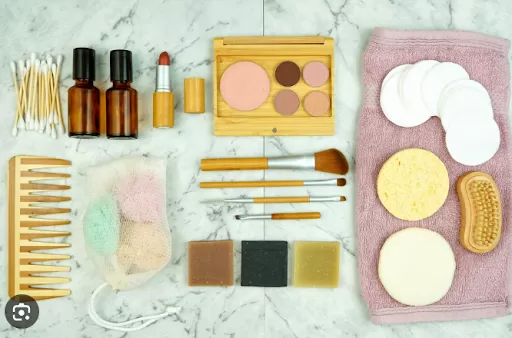

Sustainable beauty practices are more than a passing trend—they’re a movement toward mindful living, where beauty routines don’t harm our environment. Today’s conscious consumers are rethinking how they approach personal care, choosing eco-friendly products and routines that benefit their skin and the planet.
In this blog, we’ll explore what it means to practice sustainable beauty, uncover the best eco-friendly products, and share actionable tips to create routines that leave a smaller environmental footprint—all while keeping your skin glowing.
What Are Sustainable Beauty Practices?
Sustainable beauty practices involve using products and routines that are ethically made, environmentally friendly, and socially responsible. These practices aim to reduce waste, limit the use of harmful chemicals, and promote a circular economy in the beauty industry.
This includes:
- Choosing cruelty-free and vegan beauty products
- Avoiding single-use packaging
- Supporting brands with transparent supply chains
- Using ingredients that are biodegradable and sustainably sourced
Why Embrace Eco-Friendly Beauty?
There are several powerful reasons to switch to sustainable beauty:
- Environmental impact: Traditional beauty products contribute to pollution, microplastics, and excessive waste.
- Health benefits: Natural and organic ingredients are gentler on skin and less likely to cause irritation or allergic reactions.
- Ethical choices: Supporting eco-conscious brands encourages better practices across the beauty industry.
Top Eco-Friendly Beauty Brands to Know
Some beauty brands are leading the charge in sustainability. Here are a few that are making a real difference:
| Brand Name | Sustainability Focus | Noteworthy Products |
| RMS Beauty | Recyclable packaging, organic ingredients | Living Luminizer, Un Cover-Up |
| Ethique | Zero-waste, solid bars instead of bottles | Shampoo & conditioner bars |
| Biossance | Sugarcane-based squalane, carbon-neutral shipping | Squalane + Vitamin C Rose Oil |
| Ilia Beauty | Clean formulas, recyclable packaging | Super Serum Skin Tint SPF 40 |
| Lush Cosmetics | Package-free options, ethical sourcing, cruelty-free | Shampoo bars, bath bombs |
How to Create a Sustainable Skincare Routine
Switching to sustainable skincare doesn’t have to be overwhelming. Here’s a step-by-step guide to help you transition:
Simplify Your Routine
Less is more. Instead of a 10-step routine, focus on multipurpose products like:
- A gentle cleanser
- A hydrating toner or facial mist
- A lightweight moisturizer
- Sunscreen (preferably mineral-based)
Choose Natural & Organic Ingredients
Avoid synthetic chemicals like parabens, sulfates, and phthalates. Look for ingredients like:
- Aloe vera
- Jojoba oil
- Shea butter
- Green tea extract
Go Refillable and Reusable
Choose brands that offer refillable containers or opt for DIY recipes stored in glass jars.
Recycle Responsibly
Always clean containers before recycling and check if your local facility accepts them.
Sustainable Hair Care: Beyond Shampoo Bottles
Hair care often involves lots of plastic and chemical-laden products. Here’s how to go green with your locks:
- Try shampoo and conditioner bars to eliminate plastic waste
- Use natural oils like argan or coconut oil as hair masks
- Ditch aerosol hairsprays and opt for eco-friendly styling creams
- Use a bamboo brush instead of plastic ones
Makeup That’s Clean, Green, and Gorgeous
Sustainable makeup doesn’t mean sacrificing quality or performance. Look for:
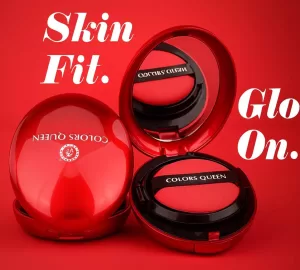
- Refillable compacts and palettes
- Cruelty-free and vegan certifications
- Mineral-based foundations and sunscreens
- Natural pigments and plant-based formulas
Also, consider multi-use products that double as lip tint, blush, or eye shadow to minimize waste.
DIY Beauty: Making Your Eco-Friendly Products
Making your beauty products is not only cost-effective but also empowers you to control what goes on your skin.
Here are a few easy recipes:
Coconut Oil Makeup Remover
- 2 tbsp coconut oil
- 1 tsp vitamin E oil
- Store in a reusable glass jar
Oatmeal Face Mask
- 1/4 cup oats
- 2 tbsp honey
- 1 tbsp yogurt
Sugar Lip Scrub
- 1 tbsp brown sugar
- 1 tsp olive oil
- A few drops of vanilla extract
Packaging Matters: Think Before You Toss
Beauty packaging is a huge contributor to landfill waste. Here’s how to reduce it:
- Buy from brands with zero-waste or plastic-free packaging
- Choose glass, aluminum, or paper packaging over plastic
- Repurpose jars and containers for DIY products or storage
Certifications to Look For in Eco-Friendly Products
To make informed choices, look for trusted eco-labels like:
- USDA Organic
- ECOCERT
- Leaping Bunny (Cruelty-Free)
- Vegan Society
- Fair Trade Certified
These certifications ensure that products meet strict environmental and ethical standards.
The Role of Waterless Beauty
Waterless beauty products are concentrated formulas that reduce water usage and carbon emissions. These include:
- Powder cleansers
- Solid shampoo bars
- Stick moisturizers
- Oil-based serums
Sustainable Tools and Accessories
Rethink the tools you use daily:
- Switch to bamboo toothbrushes and cotton rounds
- Try reusable silicone makeup blenders
- Use stainless steel razors instead of disposable ones
How to Spot Greenwashing in Beauty Brands
Not all “green” claims are genuine. Be cautious of:
- Vague buzzwords like “natural” or “clean”
- No certification or transparency
- Excessive packaging
- Products with one natural ingredient but many synthetics
Always read the ingredient list and do brand research.
Eco-Friendly Beauty for Every Budget
Sustainable beauty isn’t just for luxury shoppers. Affordable eco-friendly options are widely available at stores like:
- Target (Brands: Versed, Pacifica)
- Trader Joe’s (natural skincare)
- The Ordinary (minimalist, affordable formulations)
- Drugstores (Burt’s Bees, Yes To)
The Environmental Cost of Fast Beauty
Fast beauty, like fast fashion, encourages overconsumption and waste. Here’s why it’s problematic:
- Encourages impulse buying of low-quality products
- Uses unsustainable resources
- Increases packaging and product waste
Choose quality over quantity and support brands with slow, mindful production.
Conclusion: Beauty That’s Kind to You and the Planet
Sustainable beauty practices aren’t about perfection—they’re about progress. Every small change, from switching to a refillable moisturizer to embracing DIY skincare, makes a difference. By making conscious choices, you not only protect the planet but also support ethical brands and nourish your skin in the most wholesome way possible.
FAQs About Sustainable Beauty Practices
A sustainable beauty product uses ethically sourced ingredients, has eco-friendly packaging, and has a minimal environmental impact.
Yes, many natural and organic products are highly effective and safe for sensitive skin.
Begin by replacing one product at a time with a more eco-conscious option, and look for certified sustainable brands.
Not always. Verify through ingredient lists and third-party certifications like USDA Organic or Leaping Bunny.
It can be, as long as you use clean tools and patch-test new recipes. Stick to simple, natural ingredients.
Start with shampoo bars or reusable cotton rounds—both are easy and impactful changes.