





India’s skincare industry has seen rapid growth driven by ingredient-led, science-backed startups that focus on real skin concerns. A key contributor to this shift is Honasa Consumer Ltd., founded in 2016 by Varun Alagh and Ghazal Alagh, now valued at over USD 1 billion. Through brands like Mamaearth, The Derma Co., and Aqualogica, Honasa helped popularize active ingredients such as hyaluronic acid for Indian skin types—especially oily and acne-prone skin struggling with seasonal dehydration.
Official Website:https://honasaconsumer.com
One of the most misunderstood winter skincare questions today is whether hyaluronic acid in oily skin winter routines actually works. Many people with oily skin avoid hydration altogether in winter, fearing excess oil and breakouts. The result? Skin that feels tight, dull, dehydrated, yet greasy within hours. This guide explains how hyaluronic acid provides hydration without oil, the real HA benefits, and how to use it correctly during winter without damaging your skin barrier.
Why Oily Skin Gets Dehydrated in Winter

Oily Skin ≠ Hydrated Skin
Oily skin produces excess sebum (oil), but hydration refers to water content in the skin. In winter:
- Cold air lowers ambient humidity
- Indoor heating dries out skin further
- Hot showers strip natural moisture
- Over-cleansing worsens dehydration
When oily skin loses water, it compensates by producing even more oil, leading to shine, clogged pores, and acne. This is why hyaluronic acid for oily skin in winter becomes essential.
What Is Hyaluronic Acid?
The Science Behind HA
Hyaluronic acid (HA) is a naturally occurring molecule in the skin that binds up to 1000x its weight in water. Its primary role is to:
- Attract moisture
- Retain hydration
- Plump the skin
- Support the skin barrier
Importantly, HA contains no oil, making it ideal for oily and acne-prone skin.
HA Benefits for Oily Skin in Winter
Hydration Without Oil
The biggest advantage of hyaluronic acid oily skin winter routines is that HA:
- Adds water, not grease
- Feels lightweight and non-sticky
- Absorbs quickly
- Does not clog pores
Additional HA Benefits
- Reduces tightness after cleansing
- Prevents dehydration-triggered oil surge
- Improves skin texture and bounce
- Enhances glow without shine
Dry vs Dehydrated Skin: Key Difference
| Dry Skin | Dehydrated Skin |
| Lacks oil | Lacks water |
| Needs rich creams | Needs humectants |
| Feels rough | Feels tight |
| Rarely oily | Often oily |
Most oily skin in winter is dehydrated, not dry, making hyaluronic acid the correct solution.
Is Hyaluronic Acid Good for Oily Skin in Winter?
Dermatologist Logic
Yes, when used correctly.
Hyaluronic acid:
- Does not increase oil production
- Does not block pores
- Is safe for acne-prone skin
- Supports barrier repair in cold weather
The problem isn’t HA itself it’s how people apply it.
Common Mistakes When Using Hyaluronic Acid in Winter
❌ Applying on Dry Skin
HA pulls moisture from wherever it can. On dry skin, it may draw water from deeper layers causing dryness.
❌ Skipping Moisturizer
HA needs to be sealed. Without a moisturizer, hydration evaporates.
❌ Using Alcohol-Heavy Serums
Alcohol increases winter dehydration and irritation.
How to Use Hyaluronic Acid for Oily Skin in Winter (Correct Method)
Step-by-Step Routine
Step 1: Gentle Cleanser
Use a non-foaming or low-foam cleanser to avoid stripping moisture.
Step 2: Apply Hyaluronic Acid on Damp Skin
- Apply 2–3 drops of HA serum
- Skin should be slightly damp, not dripping
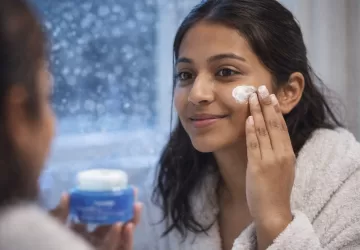
Step 3: Seal with Oil-Free Moisturizer
Use a gel or gel-cream moisturizer to lock in hydration.
Step 4: Morning SPF
Always apply sunscreen during the day, as hydrated skin absorbs UV more efficiently.
Serum vs Moisturizer With Hyaluronic Acid
| Product Type | Best For |
| HA Serum | Dehydrated oily skin |
| HA Gel Moisturizer | Minimal routines |
| Both (layered) | Winter dehydration |
Best approach: Use an HA serum + lightweight moisturizer in winter.
Best Ingredients to Pair With HA in Winter
Barrier Support
- Ceramides – Prevent moisture loss
- Panthenol (B5) – Repairs dryness
Oil Control
- Niacinamide – Regulates sebum
- Zinc PCA – Reduces shine
Soothing
- Centella Asiatica – Calms irritation
Recommended Hyaluronic Acid Products (India)
1. The Derma Co 2% Hyaluronic Acid Serum
- Lightweight, oil-free
- Suitable for acne-prone skin
Price: ₹399–₹499
Amazon Rating: ⭐ 4.4/5
Buy on:
https://thedermaco.com
https://www.amazon.in
2. Minimalist Hyaluronic Acid + B5 Serum
- Supports hydration + barrier repair
Price: ₹599–₹699
Amazon Rating: ⭐ 4.3/5
Buy on: https://beminimalist.co
3. Aqualogica Hydrate+ Gel Moisturizer
- HA-based gel for daily winter use
Price: ₹299–₹399
Amazon Rating: ⭐ 4.2/5
Buy on:https://aqualogica.in
Can Hyaluronic Acid Replace Moisturizer in Winter?
Short answer: No.
HA hydrates but does not seal moisture. In winter, oily skin still needs a lightweight moisturizer to prevent water loss.
How Often Should You Use Hyaluronic Acid in Winter?
- Once daily for normal oily skin
- Twice daily if the skin feels tight or flaky
- Always follow with moisturizer
Who Should Use Hyaluronic Acid in Winter?
- Oily & combination skin
- Acne-prone individuals
- People experiencing tightness + shine
- Users of actives like retinol or exfoliating acids
DIY Tip (Safe Application Boost)
At night, you can:
- Mix 1 drop of glycerin into your HA serum
- Apply to damp skin
- Seal with gel moisturizer
⚠️ Always patch test first.
Conclusion: Your Hydration-Without-Oil Solution
Mastering hyaluronic acid oily skin winter application transforms your complexion through water-based hydration without oil that eliminates dehydration, balances sebum production, and maintains comfortable skin-but only when applied correctly on damp skin and sealed with moisturizer to prevent the paradoxical dryness most people experience. The comprehensive HA benefits include plumper skin cells, reduced tightness, decreased compensatory oil production, improved texture, enhanced product absorption, and a long-term oil-water balance that persists through seasonal transitions.
Frequently Asked Questions
Yes, hyaluronic acid is perfect for oily skin in winter because it provides intensive water-based hydration without adding oil, prevents dehydration that triggers compensatory sebum overproduction, and maintains optimal oil-water balance without clogging pores or causing greasiness.
Always apply to damp skin (within 60 seconds of cleansing, when the face is still moist but not dripping). This is critical! HA draws water from the surroundings; damp skin provides a water source, dry skin forces HA to pull moisture from deeper layers, worsening dehydration.
No, you MUST seal HA with oil-free moisturizer, or HA evaporates, taking bound water with it, causing paradoxical dryness; HA is a hydrator (adds water,) not a moisturizer (prevents water loss); always use: cleanser → HA on damp skin → moisturizer seal.
No, HA provides water-based hydration without oil, actually reduces oiliness by preventing dehydration-triggered compensatory sebum overproduction; proper hydration signals sebaceous glands to produce less oil; the result is balanced, less greasy skin over 2-4 weeks.
Best options: The Ordinary HA 2% + B5 (₹599-multi-molecular, proven), Minimalist 2% HA + PGA (₹599-advanced formula), or The Derma Co 2% HA (₹449-budget); all oil-free, non-comedogenic, effective; choose based on budget and availability.
matte moisturizer winter | Night care winter cream | Acne Prone Oily Skin | Gel moisturizer in winter | Oily skin tight in winter | Winter moisturizer for oily skin |