





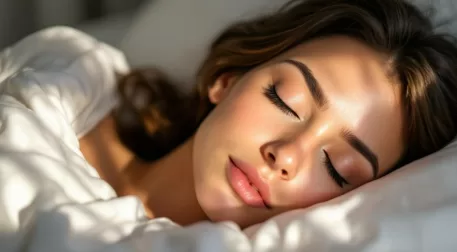

Sleep is more than just a way to recharge the body; it plays a crucial role in maintaining healthy, radiant skin. Known as beauty sleep, the connection between sleep and skin health is deeper than many realize. During sleep, the body undergoes essential repair and regeneration processes that directly impact your complexion. Lack of sleep can lead to dullness, puffiness, and premature aging, while quality rest can make your skin appear smoother and more youthful. In our fast-paced world, prioritizing sleep for skin health might seem challenging, but understanding its benefits can transform your beauty routine. Let’s delve into the science behind the beauty and sleep connection and discover how to optimize your nighttime routine for a glowing complexion.
Why Beauty and Sleep Are Inseparable
Sleep affects almost every part of our well-being, including our appearance. When we sleep, our bodies produce collagen, repair damaged cells, and balance hydration levels, all crucial for maintaining youthful and vibrant skin. On the contrary, sleep deprivation leads to increased cortisol levels, which break down collagen and elastin, resulting in fine lines, dryness, and a dull complexion.
Best Time to Sleep for Skin Repair
Why Timing Matters
Your body’s circadian rhythm determines the best time for rest and repair. Generally, sleeping between 10 PM and 2 AM is considered the most beneficial period for skin healing. This is when the body’s repair mechanisms are most active, producing more collagen and regenerating skin cells.
How to Optimize Your Sleep Schedule
- Sleep Earlier: Going to bed before 11 PM helps synchronize your sleep cycle with your body’s natural rhythm.
- Create a Routine: Stick to a consistent sleep schedule, even on weekends.
- Sleep in Darkness: Melatonin production, vital for skin repair, increases in the dark.
- Avoid Screens: Blue light from devices interferes with melatonin, reducing skin repair efficiency.
By prioritizing sleep during these peak hours, your skin benefits from maximum repair and rejuvenation.
Why Is It Called Beauty Sleep?
The term “beauty sleep” isn’t just a myth; it’s backed by science. When you sleep, your skin enters repair mode, reversing daily damage and combating environmental stressors. Here’s why sleep truly makes you beautiful:
1. Enhanced Collagen Production
During deep sleep, your body produces more collagen, which prevents sagging and fine lines. This natural boost helps maintain skin elasticity and firmness.
2. Reduced Inflammation
Adequate sleep lowers cortisol levels, reducing inflammation that can cause acne, redness, and puffiness.
3. Hydration Boost
While you rest, your body balances moisture levels. Poor sleep can lead to an imbalance, causing dryness and breakouts.
4. Brighter Eyes
Lack of sleep often results in puffy eyes and dark circles. Adequate rest allows for fluid regulation, keeping your eyes looking bright and refreshed.
5. Improved Blood Flow
During sleep, blood flow to the skin increases, providing that coveted healthy glow. Reduced blood flow from lack of sleep can make skin look pale and tired.
Beauty Sleep Before and After – Real Transformations
It’s incredible how much difference a good night’s sleep can make to your appearance. Whether it’s fewer wrinkles, less puffiness, or a more radiant complexion, the effects are noticeable.
What Happens When You Don’t Sleep Well?
- Dark Circles: Reduced blood circulation causes bluish discoloration around the eyes.
- Puffy Face: Retained fluids result in swelling, especially around the eyes.
- Dull Complexion: Lack of collagen repair makes skin look lackluster.
- Acne Flare-ups: Stress from poor sleep increases oil production, leading to breakouts.
What a Full Night of Beauty Sleep Can Do:
- Smoother Skin Texture: Increased collagen smoothens fine lines.
- Even Skin Tone: Reduced inflammation leads to fewer blemishes.
- Radiant Glow: Better blood flow results in a naturally bright complexion.
- Clearer Eyes: Reduced puffiness and lighter dark circles.
Real-Life Example:
A study published in the journal Sleep revealed that people who slept 7-9 hours per night had significantly better skin hydration and fewer fine lines compared to those who slept less.
Beauty Sleep Time Period – How Much Is Enough?
The ideal duration for beauty sleep varies, but most experts recommend 7-9 hours per night. This duration allows the skin to fully go through all repair stages, including collagen production, detoxification, and hydration regulation.
Stages of Sleep and Skin Benefits:
- NREM (Non-Rapid Eye Movement) Sleep: Deep sleep when cell repair and collagen production peak.
- REM (Rapid Eye Movement) Sleep: Vital for stress recovery, indirectly reducing inflammation.
- Light Sleep: Supports circulation and detox processes.
Tips to Improve Sleep Quality:
- Avoid Heavy Meals Before Bed: Indigestion can disturb sleep.
- Use Silk Pillowcases: Reduces friction, preventing wrinkles.
- Hydrate Wisely: Drink water throughout the day but reduce intake before bed.
- Skincare Routine: Cleanse and moisturize to keep pores clear and skin hydrated.
How to Enhance Your Beauty Sleep Routine
- Invest in Skincare: Use night creams rich in hyaluronic acid and peptides.
- Sleep on Your Back: Minimizes friction between your face and pillow.
- Use a Humidifier: Keeps your skin hydrated overnight.
- Incorporate Relaxation Techniques: Try meditation or warm baths before bed.
Conclusion: Embrace the Beauty and Sleep Connection
Beauty and sleep are intrinsically linked, with quality rest directly influencing your skin’s health and appearance. By prioritizing sleep hygiene and incorporating nourishing nighttime routines, you can wake up looking refreshed and rejuvenated. Remember, beauty sleep is not just a concept—it’s a scientifically proven method to enhance your natural glow.
FAQs on Beauty and Sleep Connection
Sleeping on your back is best as it reduces wrinkles and puffiness caused by facial compression.
Yes, poor sleep increases cortisol, which can lead to excess oil production and breakouts.
Use products containing retinol and peptides before bed to enhance collagen synthesis.
Yes, it clogs pores and prevents the skin from breathing, leading to breakouts and dullness.
Short naps can be beneficial, but they don’t replace the deep sleep needed for skin repair.
Absolutely. Stress disrupts sleep patterns and increases cortisol, affecting skin quality.
Popular Search Term:
simplified skincare routines | rejuran skin therapy | fermented ingredients benefits |